Facing a financial emergency? Payday loans offer fast cash without the need for a credit check. While they can be a quick solution, personal loans may provide a more affordable option for managing financial challenges. In this guide, we’ll explain what payday loans are, how they work, and weigh their pros and cons.
Table of Contents
Key Takeaways
- Payday loans provide quick access to cash with minimal credit checks, making them accessible for individuals with poor credit.
- The application process for payday loans is straightforward and can often be completed online, leading to same-day approval and disbursement of funds.
- Borrowers should be cautious of high-interest rates and carefully review loan terms to avoid potential debt cycles associated with payday loans.
Best Payday Loans: Fast Cash, No Credit Check, Same Day Approval
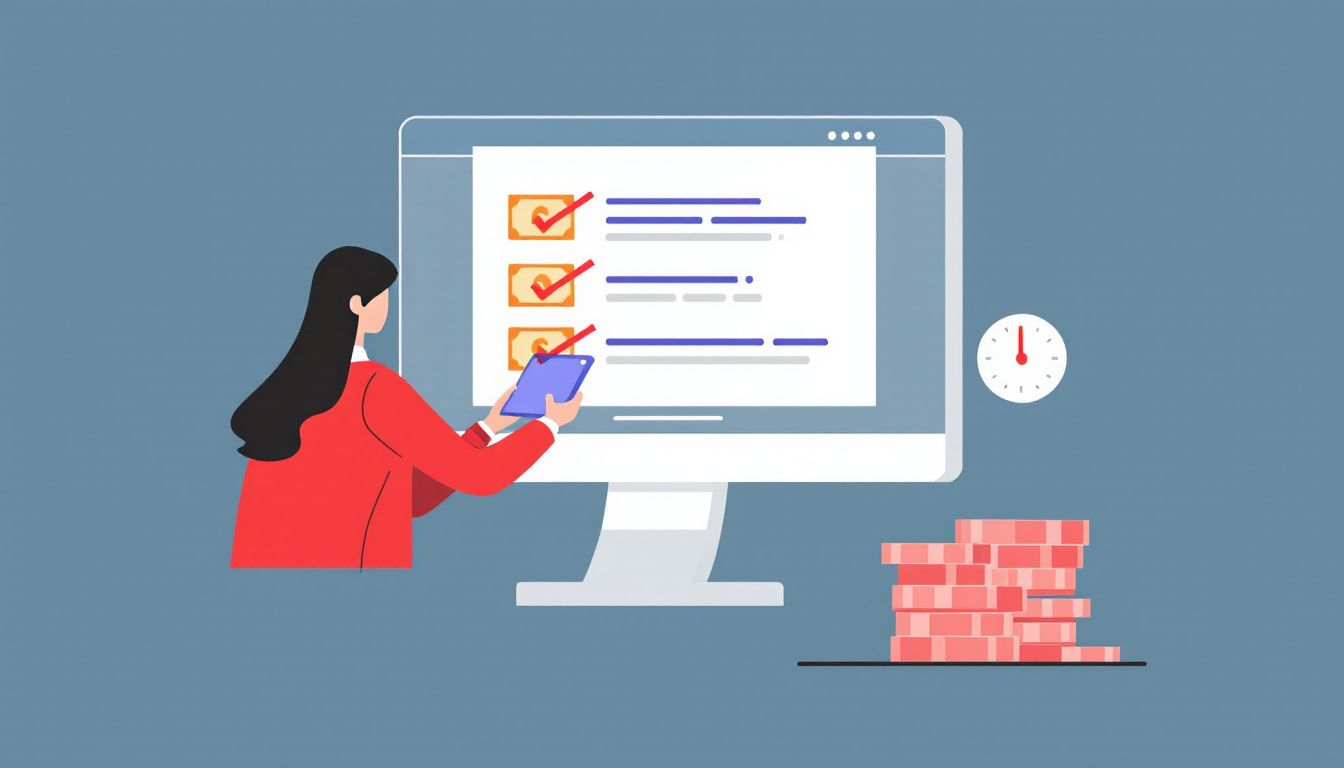
When financial emergencies arise, payday loans are often the go-to solution for many. These short-term loans are designed to provide immediate financial support, typically allowing borrowers to access funds quickly, sometimes within minutes. One of the standout features of payday loans is the minimal credit check requirement, making them accessible to individuals with bad credit or no credit history at all. Instead of focusing solely on credit scores, lenders assess the borrower’s ability to repay the loan, ensuring that even those with poor credit can secure the funds they need.
The application process for payday loans is straightforward and can often be completed online, leading to faster approvals and disbursements. Once approved, borrowers can expect to receive their cash by the next business day, making payday loans a convenient option for urgent financial needs.
However, borrowers should thoroughly read and understand the loan terms and conditions before applying to avoid any surprises.
Introduction
The allure of payday loans lies in their ability to provide quick access to cash when you need it the most. With a streamlined application process and promises of same-day approval, payday loans can be a lifeline for those facing urgent financial situations. Unlike traditional loans, payday loans often do not require a credit check, making them accessible to a wider range of individuals, including those with less-than-ideal credit.
This blog post aims to guide you through the intricacies of payday loans, from understanding what they are and how they work to exploring their benefits and potential risks. We’ll also compare payday loans with other financial options, helping you to make an informed decision that best suits your needs.
Whether you’re dealing with a sudden medical bill, car repair, or any other unexpected expense, payday loans offer a quick and convenient solution. By the end of this guide, you’ll be well-equipped with the knowledge needed to navigate the world of payday loans, ensuring you can make the best choice for your financial situation.
Let’s explore everything you need to know about payday loans and how they can assist you during financial emergencies.
What Are Payday Loans?

Payday loans are short-term financial solutions designed to cover immediate cash needs before your next paycheck arrives. These loans provide a fast and easy way to access funds, often within the same day of application. The primary purpose of payday loans is to provide immediate financial support for urgent expenses, such as medical bills, car repairs, or other unexpected costs.
The application process for payday loans is typically straightforward and can be completed online, facilitating faster approvals. Applicants usually need to provide proof of identity, income, and a bank account, which can be assessed without a stringent credit check. This makes payday loans particularly appealing to those with poor credit or no credit history at all. However, it’s essential to read the loan terms and conditions carefully before submitting an application to ensure you fully understand the agreement.
Approved borrowers often receive same day loans feedback on their applications, enabling quick decisions. The funds are usually disbursed by the next business day, providing a timely financial solution for those in need.
Whether you’re facing an unexpected expense or simply need to bridge the gap until your next paycheck, payday loans offer a fast and accessible option.
Benefits of Payday Loans
The error message displayed indicated that a cloudflare ray id found was necessary for troubleshooting the issue.
Payday loans offer several benefits that make them an attractive option for those in need of quick financial relief. One of the primary advantages is the speed at which funds can be accessed. In many cases, borrowers can receive cash within the same day, making payday loans a convenient solution for urgent expenses like medical bills or car repairs. This rapid access to cash ensures that you can address your financial needs without unnecessary delays.
The text with incorporated keyword:
After the initial setup, the site owner must ensure that all necessary updates are applied regularly to maintain optimal performance.
Payday loans offer several benefits, including:
- Speed of access to funds, allowing borrowers to receive cash within the same day
- Convenience for urgent expenses like medical bills or car repairs
- The ability to address financial needs without unnecessary delays
Another significant benefit is that payday loans often do not require a credit check, making them accessible to a broader range of individuals, including those with poor or no credit history. This feature is particularly beneficial for those who might struggle to secure traditional loans due to their credit score. Instead, lenders focus on the borrower’s ability to repay the loan, ensuring that even those with bad credit can obtain the funds they need.
Additionally, some lenders offer the convenience of receiving funds through prepaid debit cards, enhancing access to cash. This flexibility makes payday loans a practical and versatile financial solution for various urgent needs.
Offering quick loans and easy access to cash without a credit check, payday loans can be a crucial resource in times of financial distress.
How Much Can You Borrow with Payday Loans?
The amount you can borrow with payday loans varies significantly based on lender policies and local laws. Typically, borrowing limits range between $100 and $500, depending on state regulations. In some states, the maximum amount you can borrow might be as low as $200 or as high as $1,000. These limits are set to ensure that borrowers do not take on more debt than they can handle.
Several factors influence the borrowing capacity with payday loans, including state regulations, your financial status, and your ability to repay the loan. Lenders assess these factors to determine how much you can borrow, ensuring that the loan amount is manageable within your financial situation.
Understanding these limits and factors can help you make informed decisions when considering a payday loan.
How to Apply for a Payday Loan
Applying for a payday loan is a straightforward process that can often be completed online, facilitating faster approvals and disbursements. Most lenders offer a simple application form that requires basic information, such as proof of identity, income, and a bank account. Providing detailed financial information can expedite the approval process, allowing borrowers to receive funds quickly.
Some lenders may require additional steps, such as submitting a post-dated check as part of the application process. However, the majority of payday loans can be applied for and approved online, allowing you to receive the funds you need on the same day. This convenience makes payday loans an attractive option for those facing urgent financial needs.
Payday Loans vs. Online Installment Loans
When considering your financial options, it’s essential to understand the differences between payday loans and online installment loans. Payday loans typically require full repayment by your next payday, making them a short-term solution for immediate cash needs. In contrast, online installment loans offer longer repayment timelines, allowing borrowers to make multiple payments over a more extended period.
The loan amounts for payday loans usually range from $100 to $1,000, whereas online installment loans can go up to $5,000 or more. This difference makes installment loans a more suitable option for larger financial needs. However, it’s crucial to understand the total cost of the loan, including interest rates and fees, to avoid any surprises. Reputable lenders disclose all loan terms, ensuring transparency and helping borrowers make informed decisions.
While payday loans are generally unsecured and do not require collateral, they come with higher interest rates, which can trap borrowers in a cycle of debt if not managed properly. On the other hand, online loan installment loans often have lower interest rates and more manageable repayment terms, making them a viable alternative for those who need more time to repay their debt.
Understanding these differences can help you choose the best option for your financial situation.
Risks and Considerations
While payday loans offer quick access to cash, they come with several risks and considerations that borrowers should be aware of. One of the primary risks is the high-interest rates compared to other types of loans, making payday loans a costlier option. Reading and understanding the loan terms and associated fees before agreeing to a payday loan can help you avoid unexpected costs.
Rolling over payday loans should be avoided, as it incurs additional costs and can perpetuate the debt cycle. Borrowers should only take out the amount they absolutely need to avoid unnecessary financial strain. Additionally, individuals with poor credit histories can often secure payday loans, but it’s crucial to ensure that they can fulfill repayment obligations to avoid further financial difficulties.
Struggling with payday loan debt? Financial counseling can be a valuable step. Nonprofit credit counseling services can help create manageable debt repayment plans and provide financial education to avoid future borrowing needs. Building an emergency fund and investing in financial education can also reduce reliance on payday loans in the future.
Alternatives to Payday Loans

For those seeking financial relief without the high costs associated with payday loans, there are several alternatives to consider. Personal loans from banks or credit unions can be a cost-effective option, even for those with less-than-ideal credit. Payday alternative loans (PALs) from federal credit unions provide a way to borrow without credit checks and at lower interest rates than payday loans.
Peer-to-peer lending platforms connect borrowers with individual investors, often resulting in lower interest rates for those with good credit. Credit card cash advances can also serve as a backup cash source, though they typically incur higher fees and interest rates compared to regular purchases. Exploring these alternatives can provide quick financial relief without the high costs and risks associated with payday loans.
Other options include borrowing against a 401(k), which doesn’t require a credit check but can affect retirement savings if not repaid promptly, and lending circles, which allow individuals to borrow from a community pool at a low cost. Considering these alternatives can help you find a financial solution that best fits your needs and circumstances.
Choosing the Right Lender

Choosing the right lender is a crucial step in securing a payday loan. It’s important to check that a payday lender is licensed to operate in your state, as this compliance reduces the risk of predatory lending. Researching customer reviews on reputable sites can reveal a lender’s reputation and help you avoid those with unethical practices.
Additionally, reputable lenders disclose all loan terms upfront, ensuring transparency and helping you make informed decisions. Taking the time to research and choose a trustworthy lender ensures a safer and more reliable borrowing experience.
How to Repay a Payday Loan
Repaying a payday loan requires careful planning and budgeting. Establishing a detailed budget helps determine how much can be allocated for loan repayment, ensuring you can meet your obligations without straining your finances. Making payday loan payments a top financial priority can help reduce the overall interest and fees incurred.
If you encounter repayment issues, communicating with your lender can lead to more flexible loan repayments plans. Additionally, consolidating multiple payday loans can simplify repayments and may offer lower interest rates.
Following these strategies can help you effectively manage and repay your payday loan, avoiding further financial difficulties.
Summary
In conclusion, payday loans offer a quick and accessible solution for those facing urgent financial needs. With their fast approval process and minimal credit check requirements, payday loans provide a lifeline for individuals who need immediate cash. However, it’s essential to understand the risks involved, such as high-interest rates and the potential for debt cycles. By carefully considering your financial situation and exploring alternatives, you can make an informed decision that best suits your needs.
Remember, choosing the right lender is crucial in ensuring a safe and reliable borrowing experience. Take the time to research and understand all loan terms and conditions before committing. By following the advice and tips provided in this guide, you can navigate the world of payday loans with confidence and make the best financial choices for your situation.
Frequently Asked Questions
What are payday loans and how do they work?
Payday loans are short-term loans intended to meet urgent cash needs until the borrower receives their next paycheck, usually requiring repayment by that time. These loans provide immediate access to funds, often within the same day of application.
How much can I borrow with a payday loan?
You can typically borrow between $100 and $500 with payday loans, depending on lender policies and local laws, with some states allowing amounts up to $1,000. Always check your state’s regulations for specific limits.
What are the benefits of payday loans?
Payday loans provide swift access to funds, often available on the same day, and are typically accessible to those with poor or no credit history due to minimal requirements. These features can be beneficial for individuals in urgent need of cash.
What are the risks associated with payday loans?
Payday loans pose significant risks due to their high-interest rates, which can create a cycle of debt. Understanding the loan terms and associated fees is crucial to avoid financial pitfalls.
Are there alternatives to payday loans?
Yes, alternatives to payday loans include personal loans from banks or credit unions, payday alternative loans (PALs) from federal credit unions, peer-to-peer lending, credit card cash advances, and borrowing against a 401(k). Exploring these options can help you find a more manageable financial solution.